

Aventurine Dials: The Watchmaking Equivalent of a Starry Night
The Watchmaking Equivalent of a Starry Night

Few watch dial materials capture the imagination quite like aventurine.
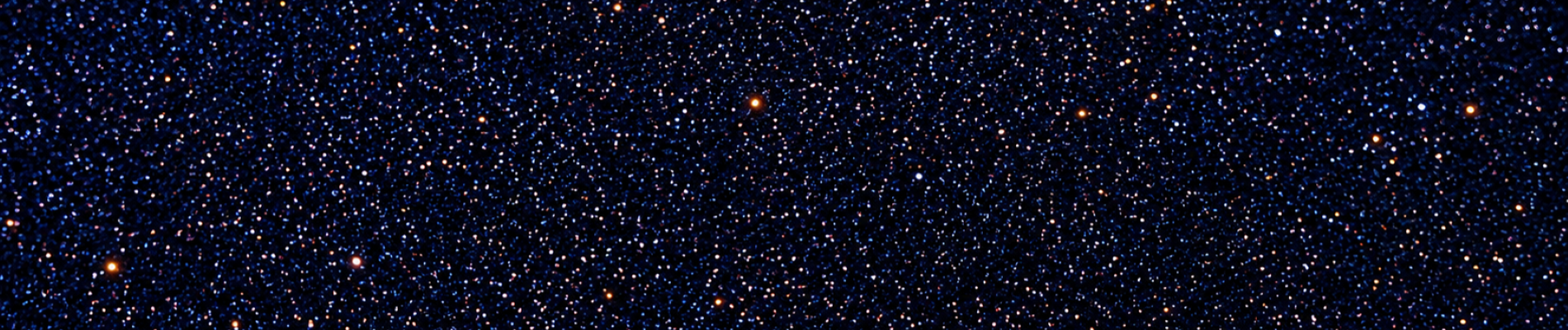
At first glance, an aventurine dial appears almost impossibly deep, as if thousands of stars have been suspended beneath a crystal surface. Under direct light, the dial erupts with tiny points of brilliance. In dimmer conditions, it transforms into a rich midnight blue expanse, subtle and mysterious. It is a material that rewards attention, revealing new details every time it catches the light.
For many enthusiasts, aventurine represents one of the most beautiful dial materials available today. Yet despite its popularity, there remains considerable confusion about what aventurine actually is and why it has become such a sought-after element in modern watchmaking.
What Is Aventurine?

Contrary to popular belief, most aventurine watch dials are not made from natural stone.
The material commonly used in watchmaking is known as aventurine glass, also called goldstone. This man-made glass contains thousands of microscopic metallic crystals suspended throughout its structure. When light strikes these crystals, they reflect and refract it, creating the sparkling effect that has become the material's signature characteristic.
The result is a visual experience unlike almost any other dial material. Rather than sitting on the surface, the sparkle appears to originate from within the material itself, creating a sense of depth that can seem almost three-dimensional. The most common variety used in watchmaking is deep blue aventurine glass, although black, green, and reddish-brown versions also exist.
A Happy Accident from Venice
The origins of aventurine glass date back several centuries.
While the exact details remain somewhat unclear, the material is generally believed to have originated in Venice during the seventeenth century. According to popular legend, artisans accidentally dropped copper filings into molten glass, producing an unexpected sparkling effect. Whether the story is entirely factual or not, the material's name is thought to derive from the Italian phrase all'avventura, meaning "by chance."
Over time, Venetian glassmakers refined the process, transforming what may have begun as an accident into a highly specialized craft. Even today, the precise techniques used to create high-quality aventurine glass remain closely guarded.
How Aventurine Glass Is Made

Although manufacturers rarely disclose their exact methods, the basic principles behind aventurine production are reasonably well understood. The process begins with molten glass heated to extremely high temperatures. Metallic compounds, typically copper-based, are then introduced into the mixture. As the material cools under carefully controlled conditions, microscopic metallic crystals begin to form throughout the glass. This crystallization stage is critical.
If too few crystals develop, the finished material lacks sparkle and visual depth. If too many crystals form, the glass can become cloudy, uneven, or overly glittery. Achieving the ideal balance requires exceptional control over temperature, cooling rates, and chemical composition. Once the material has fully solidified, it is cut into slabs and eventually sliced into thin sections suitable for dial production.
Why Aventurine Looks So Unique

Many dial materials are visually appealing, but few create the illusion of depth quite like aventurine. Unlike painted or printed dials, where the visual effect exists primarily on the surface, aventurine's reflective crystals are distributed throughout the material. Light penetrates the glass before interacting with these crystals, creating multiple layers of reflection.
The effect can resemble:
- A clear night sky filled with stars
- Distant galaxies suspended in space
- Glittering cosmic dust
- A field of microscopic diamonds
What makes aventurine especially compelling is its constantly changing character. The dial rarely looks the same twice. Under office lighting, it may appear nearly black. Under natural sunlight, it can reveal an astonishing amount of sparkle and depth. This dynamic nature explains why collectors often describe aventurine as a dial material that photographs poorly compared to how it appears in person.
Aventurine Glass Versus Natural Aventurine

One of the most common misconceptions in watch collecting is the assumption that aventurine dials are made from aventurine stone. Natural aventurine is actually a variety of quartz containing inclusions of minerals such as mica or hematite. These inclusions create a subtle sparkling effect known as aventurescence.
Natural aventurine is most commonly green and has occasionally been used in watchmaking as a stone dial material. However, the vast majority of "aventurine dials" found on the market today are made from aventurine glass rather than natural quartz.
While both materials exhibit sparkle, they produce distinctly different visual effects. Natural aventurine tends to have a softer, more organic appearance, whereas aventurine glass creates the dramatic starfield effect most collectors associate with the name.
The Challenges of Creating an Aventurine Dial

Despite its beauty, aventurine is not particularly easy to work with. Because it is fundamentally a form of glass, it is inherently brittle. Dial manufacturers must carefully cut, shape, and finish the material without introducing cracks or chips. This becomes especially challenging when creating:
- The central hole for the hands
- Openings for complications
- Mounting points for applied indices
- Thin dial sections required for modern movements
Even minor imperfections can render an otherwise beautiful dial unusable, and the thinner the dial becomes, the greater the risk of damage. As a result, aventurine often generates lower production yields than conventional brass dials, increasing manufacturing complexity and cost.
Why Watch Enthusiasts Love Aventurine

The appeal of aventurine extends beyond its sparkle. For many collectors, the material successfully bridges the gap between elegance and artistry. It feels luxurious without being ostentatious. Unlike brightly colored enamel or highly textured dial finishes, aventurine maintains a degree of sophistication while still providing remarkable visual interest.
It also pairs exceptionally well with several traditional watchmaking themes. Moonphase displays appear more realistic against a star-filled background. Dress watches gain additional visual depth without becoming cluttered. Even minimalist designs can feel dramatically elevated through the simple use of aventurine.
In many ways, the material serves as proof that a watch does not require complex complications to create emotional impact. Sometimes a beautiful dial is enough.
What Makes a Great Aventurine Dial?
Not all aventurine dials are created equal. The finest examples tend to share several characteristics:
Balanced Crystal Density
The sparkle should feel natural and evenly distributed. Excessive crystal concentration can make the dial appear more like glitter than a night sky.
Rich Base Color
The underlying blue should be deep and saturated rather than pale or washed out. The best dials retain their richness even when viewed from different angles.
Strong Sense of Depth
Premium aventurine dials create the illusion that the crystals exist beneath the surface rather than on it. This layered effect is one of the material's defining qualities.
Uniform Construction
Visible clusters, streaks, or inconsistencies can distract from the dial's overall appearance. High-quality examples maintain visual balance across the entire surface.
A Material That Continues to Captivate

Watchmaking has no shortage of exotic dial materials. Meteorite, enamel, jade, mother-of-pearl, and natural stone all offer unique visual experiences. Yet aventurine occupies a category of its own.
Its appeal lies in its ability to evoke something larger than the watch itself. It transforms a simple dial into a miniature night sky, inviting the wearer to pause and appreciate the interplay between light, depth, and craftsmanship. In an era when many watches compete through increasingly complex specifications and complications, aventurine serves as a reminder that beauty alone can be enough.
Sometimes all it takes is a handful of stars captured beneath a crystal.
- Team Isotope